Daily Refresh Cycles: Tracking Time-Based Promotions for Spin Renewals in Mobile Gaming Apps
Dana Schwarz · Jun 1, 2026
Daily Refresh Cycles: Tracking Time-Based Promotions for Spin Renewals in Mobile Gaming Apps
Time-sensitive triggers operate through synchronized server clocks that reset promotional allotments at fixed intervals, often aligned with midnight UTC or regional time zones, and these systems have become standard across many mobile platforms offering daily free spin credits. Observers note that developers configure these resets using backend scripts which pull from atomic clock references to maintain consistency, preventing discrepancies that could arise from device-level time settings or user manipulations.
How Clock Synchronization Works in Practice
Applications rely on coordinated universal time to trigger the release of new spin allotments each day, and when the designated hour arrives the software automatically updates user accounts with fresh credits while simultaneously logging the transaction for compliance records. Those who've examined app architectures find that most platforms employ a combination of server-side validation and push notifications to alert users the moment a new cycle begins, though some services stagger releases across different geographic regions to manage server load during peak hours.
Research from gaming technology firms shows that these daily mechanisms frequently incorporate additional layers such as streak multipliers or time-window bonuses that activate only within specific hours after the reset, and data indicates participation rates climb when users receive reminders tied directly to their local clock rather than a fixed global schedule. In June 2026 several major platforms adjusted their reset windows following updates to network infrastructure, resulting in smoother handoffs between daily cycles without the brief outages reported in earlier implementations.
Monitoring Tools and User Tracking Methods
Players often install companion widgets or enable in-app timers that count down to the next allotment refresh, and these tools pull real-time data from the same servers that manage the promotions themselves. Industry reports compiled by research institutions in Canada highlight how such monitoring reduces missed opportunities, with figures revealing that users who track resets actively claim over 40 percent more daily credits on average than those relying on memory alone.
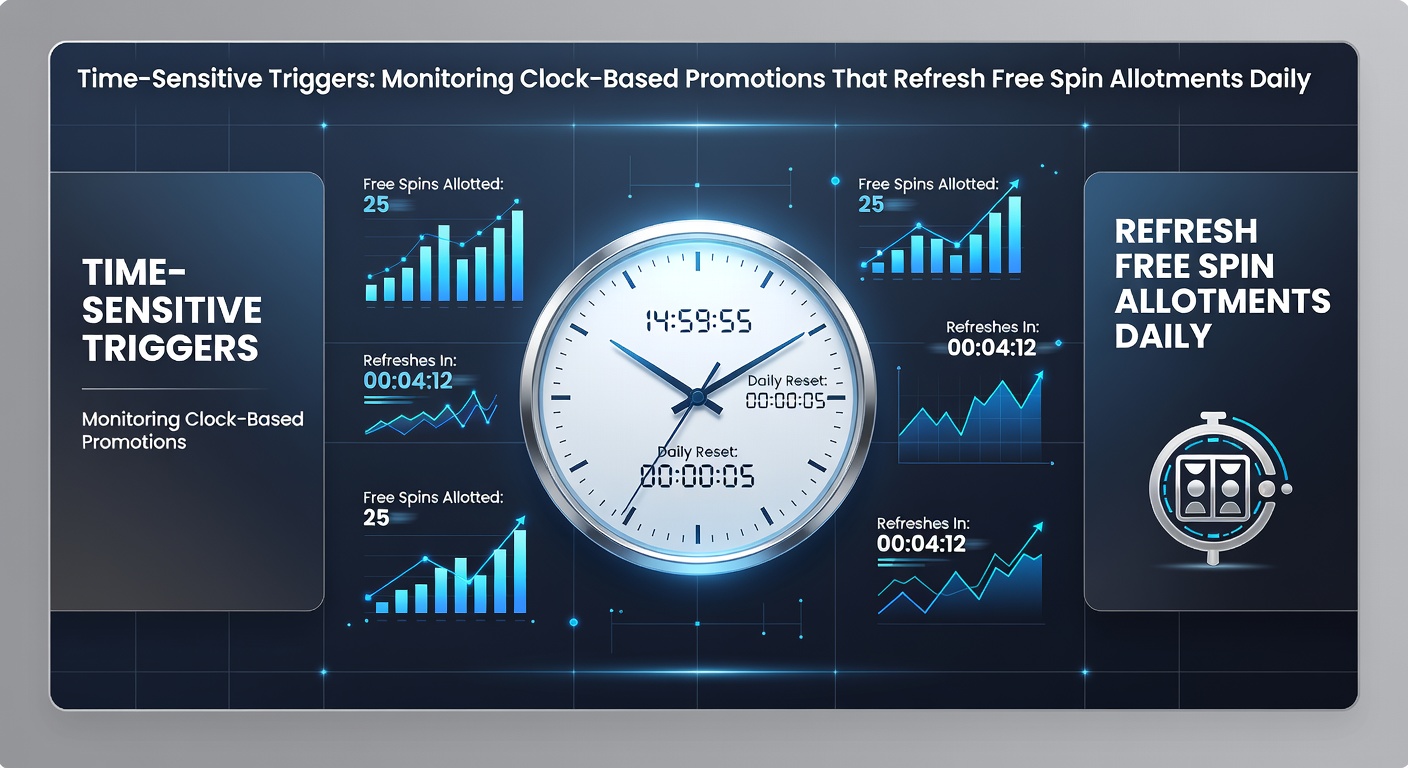
Developers integrate APIs that feed countdown information directly into device calendars, allowing automatic alerts without requiring constant app checks, while regulatory bodies in Ontario have documented how transparent timer displays improve user understanding of promotion mechanics. One case study from a European research consortium examined three separate platforms and found that clock-based triggers remained stable across time zone changes when the underlying code referenced UTC consistently rather than local device settings.
Regional Variations and Platform Differences
Platforms serving UK users typically align resets with midnight BST during summer months and GMT in winter, yet applications available across multiple countries adjust these triggers based on local licensing requirements and server distribution networks. According to data released by the Alcohol and Gaming Commission of Ontario, cross-border apps often maintain separate reset schedules for each licensed jurisdiction to comply with varying promotional rules, and this segmented approach prevents conflicts when users travel between regions.
What's interesting is how some services layer additional daily drops on top of the standard allotment refresh, creating overlapping cycles that users can monitor through dedicated dashboards. Academic studies from Australian universities have explored these layered systems and determined that clear visual indicators of each cycle's status correlate with higher sustained engagement over multi-week periods.
Technical Considerations for Accurate Tracking
Network latency occasionally delays the visible update of new spin credits even after the server has processed the reset, and users who experience such delays benefit from refreshing their connection or verifying the app's time stamp against an external clock source. Observers note that most platforms now include a last-updated field within the promotion menu, giving players an immediate way to confirm whether their device has received the latest allotment information.
Those monitoring multiple applications simultaneously often rely on spreadsheet trackers or third-party notification services that aggregate reset times from various sources, and industry analyses confirm these methods help maintain awareness across different operators without manual checking each morning. In practice the combination of push notifications, widget timers, and calendar integration has emerged as the most reliable approach for staying synchronized with daily refresh events.
Conclusion
Clock-based promotion systems continue to evolve with improvements in server synchronization and user interface design, and the core mechanism of daily allotment resets remains a foundational element in mobile gaming applications. Data from multiple regulatory regions demonstrates that transparent timing information supports consistent user interaction with these features, while ongoing technical refinements address latency and regional scheduling challenges. As platforms expand their monitoring tools and notification options, the process of tracking daily spin refreshes becomes increasingly integrated into standard app functionality.