Device Preferences Shaping Reward Access Patterns in Interactive Gaming Ecosystems
Paul Flores · Oct 23, 2026
Device Preferences Shaping Reward Access Patterns in Interactive Gaming Ecosystems
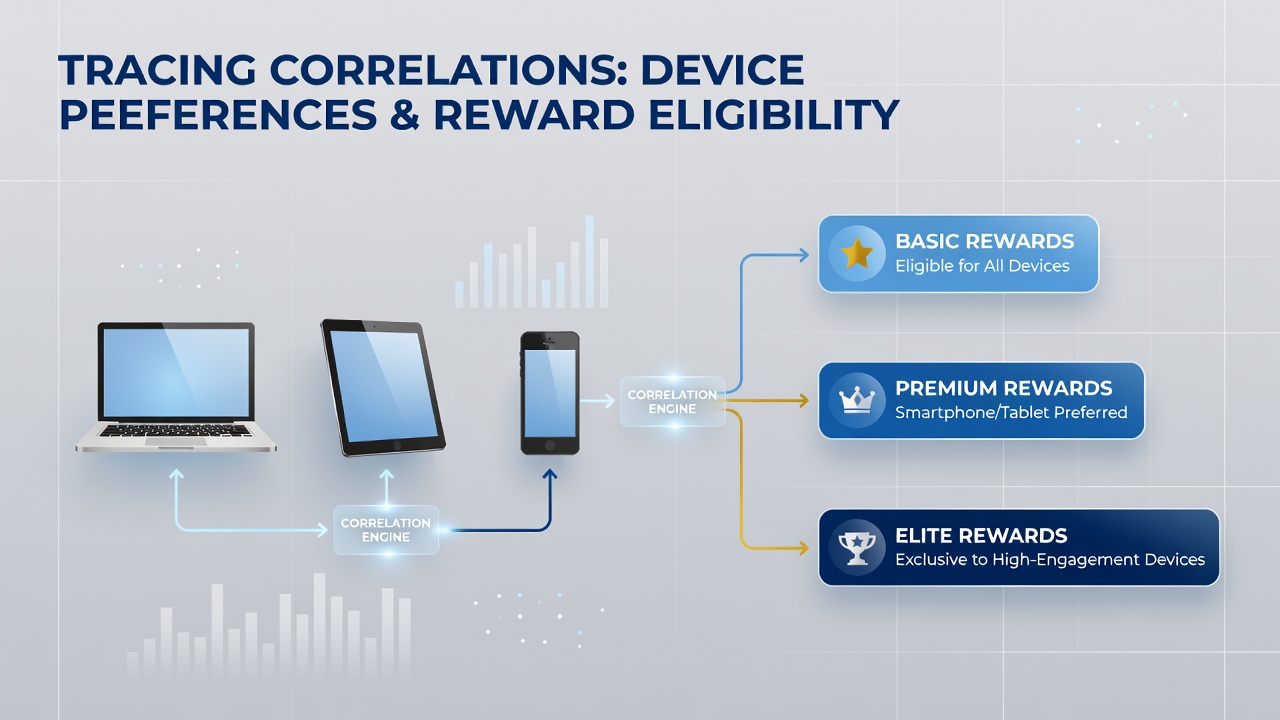
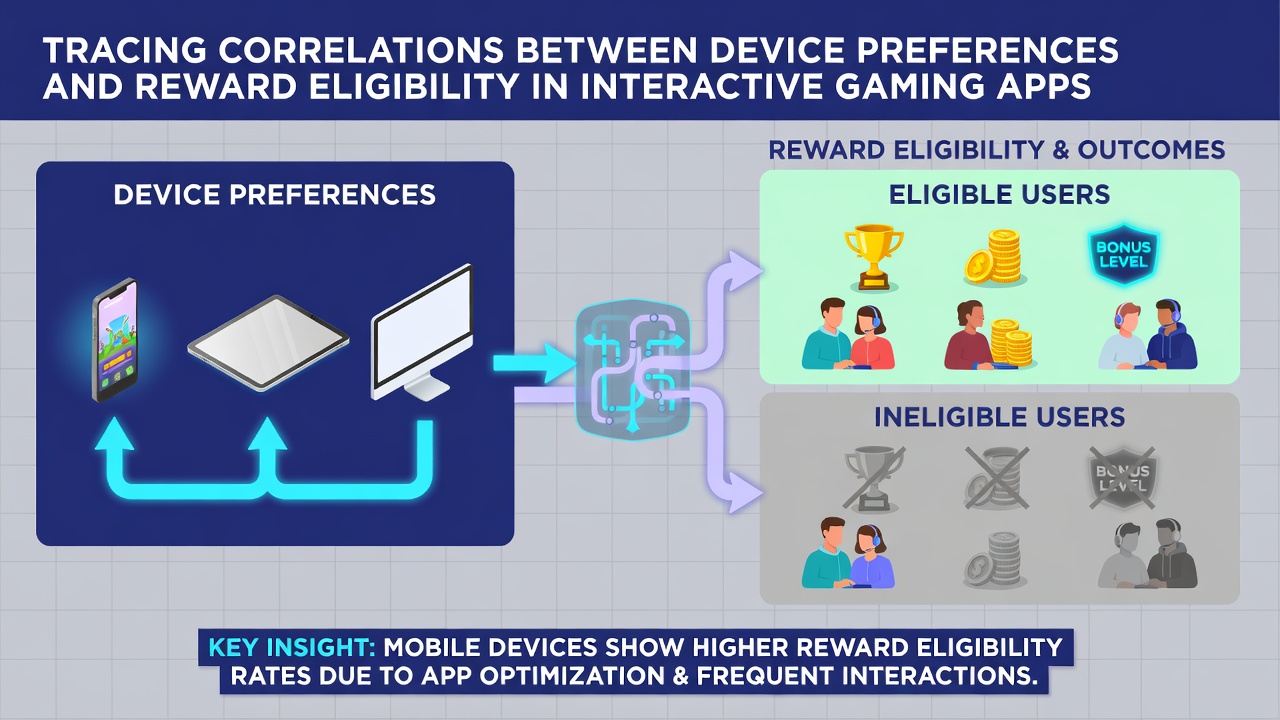
Interactive gaming apps continue to expand across multiple hardware platforms, and analysts track how user device selections align with eligibility for in-app rewards such as daily login bonuses, achievement unlocks, and tiered incentive programs. Data from industry reports indicate that mobile devices account for the majority of active sessions, yet desktop and tablet users often encounter distinct qualification pathways due to differences in operating systems, payment integrations, and session tracking mechanisms.
Platform Distribution Trends in Gaming Applications
Market measurements compiled through October 2026 reveal that smartphones dominate session volumes in interactive gaming apps, with Android and iOS together representing over 70 percent of total playtime according to aggregated telemetry from multiple app stores. Tablets follow at approximately 15 percent, while desktop clients via Windows and macOS maintain a steady share around 12 percent. Researchers note that these proportions influence how developers structure reward systems because mobile operating systems enforce stricter sandboxing rules that affect push notification delivery and background reward tracking.
One study released by the Entertainment Software Association documented that users on iOS devices qualify for certain event-based rewards at rates 8 to 12 percent higher than Android counterparts in titles with cross-platform progression. The difference stems from variations in app update cycles and Apple’s review processes rather than deliberate exclusion. Observers point out that Android fragmentation across device manufacturers creates additional variables in reward eligibility, particularly when apps rely on specific hardware sensors for augmented reality features tied to bonus content.
Operating System Impacts on Reward Qualification
Payment gateway compatibility plays a central role in determining which users can convert virtual currency into real-world reward redemptions. iOS apps route transactions exclusively through Apple’s system, which imposes standardized fee structures and verification steps that sometimes accelerate eligibility for premium reward tiers. In contrast, Android apps permit alternative billing options in select regions, and data collected by academic researchers at the University of Melbourne show that these options correlate with faster progression through loyalty ladders in certain free-to-play titles.
Session length also factors into reward calculations. Desktop users tend to log longer continuous play periods, which some algorithms reward with higher multiplier bonuses, while mobile users benefit from frequent short sessions that trigger micro-rewards. A 2025 cross-regional analysis found that tablet users in Australia and Canada exhibit the highest average daily reward claim rates, possibly because larger screens facilitate more comfortable engagement with complex menu systems required for bonus activation.
Geographic and Demographic Correlations
Regional infrastructure differences further shape these patterns. In markets with widespread 5G coverage, mobile device users access time-sensitive rewards more reliably than those on older networks. European regulatory frameworks require clear disclosure of eligibility criteria, prompting developers to standardize reward rules across devices while still accommodating platform-specific technical constraints. North American developers, by comparison, often implement device-based A/B testing that reveals measurable differences in reward uptake between smartphone and desktop cohorts.
Age demographics add another layer. Younger players predominantly use mobile devices and respond more readily to streak-based rewards that reset daily, whereas older cohorts on desktop platforms show stronger engagement with milestone achievements that accumulate over weeks. These behavioral distinctions appear in aggregated usage logs rather than in any single app’s design choices.
Technical Factors Influencing Eligibility
Push notification permissions, background app refresh settings, adn account linking methods vary by device and directly affect whether users receive timely alerts about limited-time offers. Studies from the Interactive Software Federation of Europe indicate that users who maintain consistent device ecosystems across multiple titles achieve higher cumulative reward values because cross-app tracking functions more smoothly within the same hardware family.
Security protocols also intervene. Devices with biometric authentication enabled often complete reward redemption flows with fewer interruptions, leading to higher successful claim rates. This technical reality produces observable correlations without requiring any intentional differentiation by developers.
Conclusion
Device preferences intersect with reward eligibility through a combination of operating system policies, session behaviors, regional infrastructure, and demographic patterns. As interactive gaming apps evolve through October 2026 and beyond, continued monitoring of these correlations provides developers and analysts with clearer insights into how hardware choices shape user access to in-app incentives across diverse platforms.