Digital Wallet Strategies and Reward Escalation Mechanisms in Mobile Slot Applications
David Keller · Jul 20, 2026
Digital Wallet Strategies and Reward Escalation Mechanisms in Mobile Slot Applications
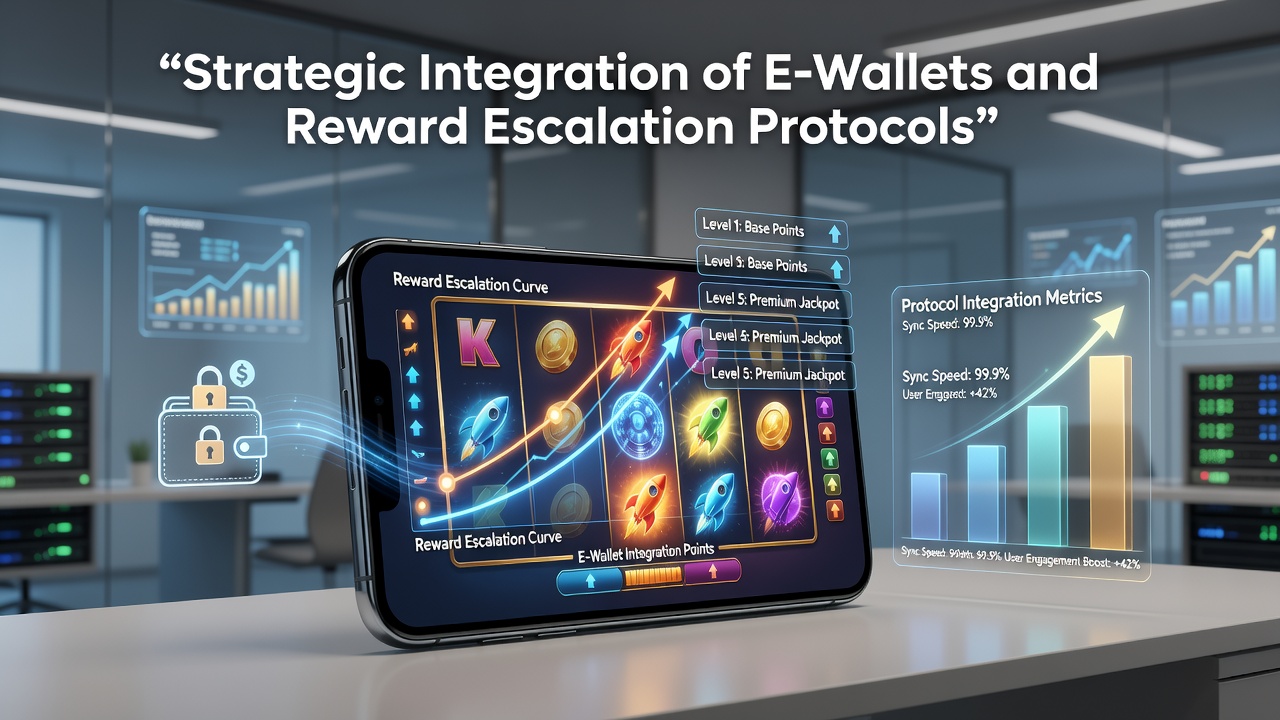
Smartphone slot applications have incorporated e-wallet systems alongside structured reward escalation protocols that adjust bonus tiers based on transaction volume and frequency, while data from industry reports indicates these combinations support faster processing cycles and layered incentive structures for users across multiple regions.
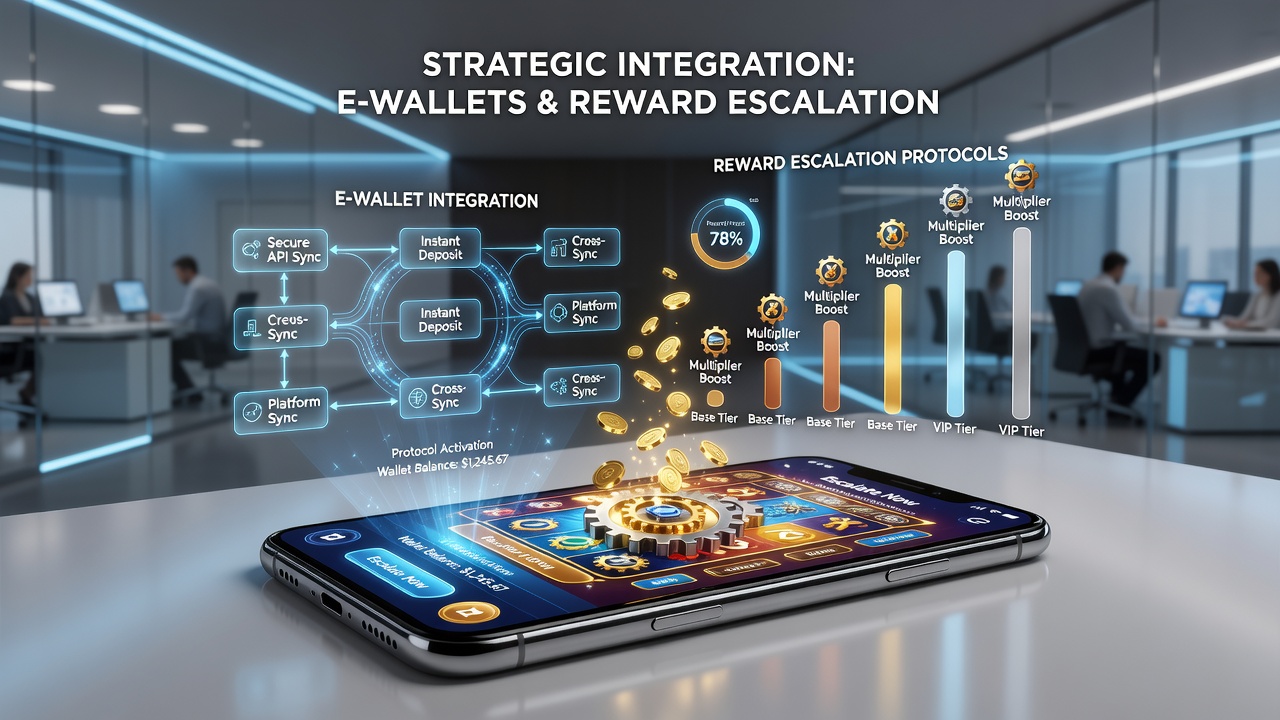
Payment gateways such as digital wallets connect directly to application interfaces, which allows deposits to trigger immediate credit updates that feed into escalation algorithms; these algorithms monitor cumulative activity and adjust reward multipliers accordingly, and research from academic institutions shows measurable increases in session continuity when such linkages operate without manual intervention.
Core Components of E-Wallet Integration
E-wallets function as intermediaries that handle authentication and fund transfers within mobile slot environments, and they reduce latency compared to traditional card methods because transaction confirmations occur through encrypted APIs that sync with backend servers in real time. Observers note that platforms using systems like Apple Pay or regional equivalents record shorter clearance windows for initial deposits, which in turn activates reward protocols without additional verification steps.
Security protocols embedded in these wallets include tokenization and biometric checks, and these measures align with regulatory frameworks from bodies such as those in Canada and Australia that emphasize consumer protection during digital transactions. Figures from gaming associations reveal that adoption rates for e-wallet options in slot applications rose steadily through mid-2026, coinciding with updates to mobile operating systems that improved compatibility.
Reward Escalation Protocols and Their Structure
Reward escalation protocols operate through tiered systems that track user deposits and gameplay metrics, advancing participants to higher benefit levels when thresholds are met; these levels often include increased free spin allocations or cashback percentages that scale with sustained activity. Data indicates the protocols rely on algorithmic triggers that evaluate patterns such as deposit frequency and average transaction size, and integration with e-wallets supplies the real-time data feeds required for accurate progression tracking.
Studies from university research groups have examined how sequential bonuses build upon one another when payments route through digital wallets, and the findings highlight reduced friction in meeting playthrough conditions because funds appear instantly in application balances. In July 2026 several platforms reported protocol adjustments that incorporated cross-device synchronization, allowing escalation progress to carry over between smartphones and tablets without resetting accumulated points.
Strategic Linkages Between Payments and Incentives
Developers design these linkages so that e-wallet transactions automatically populate reward dashboards, and this automation supports escalation by logging each deposit as a qualifying event that contributes to tier advancement. Industry organizations have documented cases where platforms using unified APIs between wallets and slot engines achieved higher retention metrics, because users receive prompt notifications of updated reward status immediately after funding completes.
Geographic variations appear in implementation details, with European operators often emphasizing compliance with data privacy standards while North American counterparts focus on transaction speed; yet the underlying architecture remains similar across markets. Reports from research institutions confirm that combined systems decrease the average time between deposit and bonus activation, and this efficiency stems from pre-verified wallet accounts that bypass repeated identity checks.
Operational Considerations in Application Development
Application teams coordinate backend databases to store both wallet transaction histories and reward progression data within unified profiles, which enables escalation protocols to reference payment records without separate queries. This setup reduces server load during peak usage periods, and analysts observe smoother performance when e-wallet providers supply standardized data formats that slot applications can parse directly.
Testing phases typically include scenarios that simulate rapid deposit sequences to verify that escalation triggers activate correctly, and results from such evaluations guide refinements to multiplier calculations. External audits by independent firms ensure these integrations meet technical benchmarks for accuracy and security, and the process continues as new wallet services enter the market.
Conclusion
The strategic integration of e-wallets with reward escalation protocols in smartphone slot applications centers on seamless data exchange and algorithmic responsiveness that together shape how incentives accumulate and activate. Evidence from multiple sources demonstrates consistent patterns of improved transaction flow and tier progression when these elements align, and ongoing developments through 2026 suggest further refinements in synchronization methods across platforms. Observers continue to track how regulatory environments in various regions influence the pace of these technical adaptations without altering the fundamental linkage between payments and rewards.